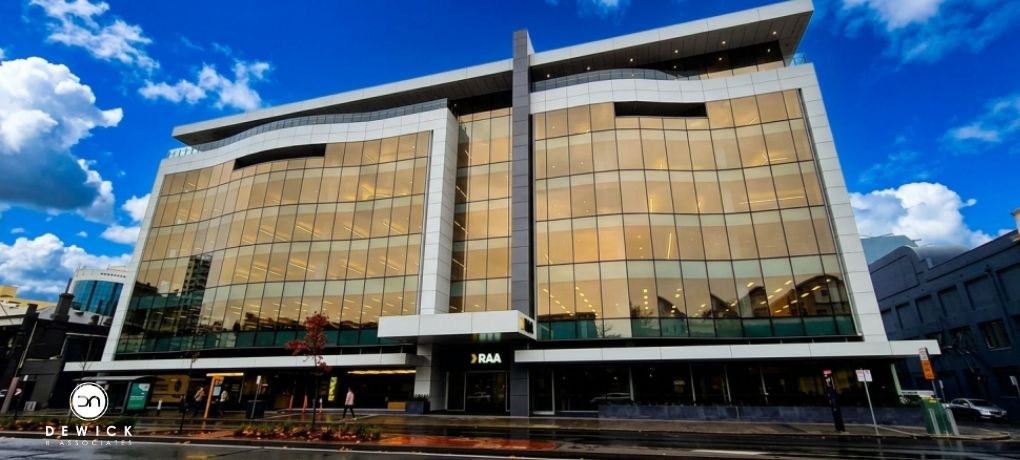
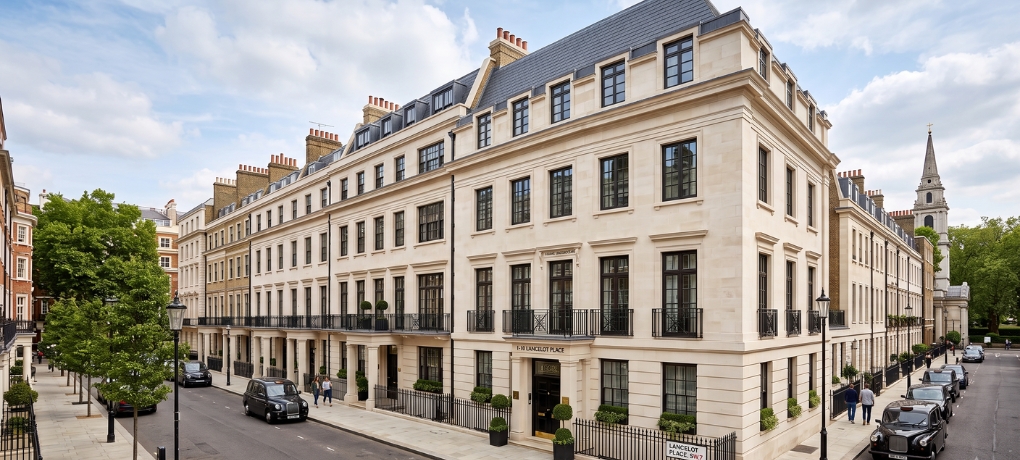
150 Grenfell Street is a premium commercial office redevelopment in the Adelaide CBD, designed to deliver a high-performance workplace with a strong focus on sustainability, occupant wellbeing, and operational efficiency. The project transformed an existing asset into a contemporary commercial building targeting high Green Star performance, strong NABERS outcomes, and long-term operational optimisation.
Delivered by Built Environs, the development incorporates mechanical, electrical, hydraulic and fire services systems engineered to support low-energy operation and enhanced occupant comfort. Achieving the project’s performance objectives required more than design and commissioning alone; it required structured Building Tuning Plans aligned with Green Star requirements to meet project outcomes.
By Louise Gardner
General Manager
. June 2026
Credit: This file is licensed under the Creative Commons Attribution-Share Alike 3.0 International license. Image data can be viewed here.
Adelaide, AUS
Region
Built Environs
Client
2024
Completion Date
Not Available
Project Value
Client Background
Built Environs is one of Australia’s leading construction companies, delivering complex commercial, health, education, defence, civic and infrastructure projects nationwide. The company is recognised for its commitment to quality delivery, technical excellence, and sustainability-led construction outcomes.
For 150 Grenfell Street, Built Environs delivered a premium-grade commercial office environment targeting high sustainability performance, energy efficiency, and occupant wellbeing. As part of the project’s Green Star strategy, structured Building Tuning documentation was required to support ongoing performance optimisation following practical completion.
Dewick & Associates was engaged to prepare discipline-specific Building Tuning Plans across mechanical, electrical, hydraulic and fire services systems, providing a practical operational framework aligned with Green Star compliance requirements and long-term asset performance objectives.
The Challenge
Modern high-performance commercial buildings rely on increasingly sophisticated building services systems to achieve energy efficiency, occupant comfort and sustainability targets. While these systems are typically commissioned prior to practical completion, actual building performance can only be fully assessed once the building becomes occupied and operational conditions begin to reflect normal use.
For 150 Grenfell Street, the project team needed to demonstrate compliance with Green Star requirements by establishing a formal tuning process capable of monitoring, reviewing and optimising building performance during the operational phase. This required a coordinated approach across multiple building services disciplines, ensuring that mechanical, electrical, hydraulic and fire systems continued to operate as intended while responding to real-world occupancy patterns and operational demands.
The Building Tuning Plans needed to clearly define performance objectives, monitoring requirements, stakeholder responsibilities, tuning activities and reporting processes, providing the building owner and facilities management team with a practical roadmap for ongoing building optimisation.
How We Solved It
Dewick & Associates developed a suite of Building Tuning Plans aligned with Green Star requirements and industry best practice for post-occupancy optimisation.
Discipline-specific strategies were prepared for mechanical, electrical, hydraulic and fire services systems, establishing structured approaches to performance monitoring, fault identification, and corrective action implementation.
The plans defined:
System-specific tuning methodologies
Performance monitoring and review schedules
Operational responsibilities and escalation pathways
Energy and comfort performance focus areas
Integration between building services systems
Reporting and documentation requirements aligned to Green Star credit compliance
A key emphasis was placed on ensuring the documentation was not purely compliance-based, but functionally usable by facilities management teams. The structure enables repeatable tuning processes during the initial occupancy period and beyond.
The Result
The completed Building Tuning Plans provided the project team with a comprehensive framework for achieving and demonstrating ongoing building performance optimisation in support of the project’s Green Star objectives.
By establishing a clear post-occupancy tuning strategy across all major building services disciplines, the plans assist facilities managers in identifying performance issues early, improving occupant comfort, reducing unnecessary energy consumption and maintaining efficient building operation throughout the building lifecycle.
For the project stakeholders, the documentation delivered a robust and compliant pathway for satisfying Green Star building tuning requirements while supporting the long-term sustainability, operational performance and asset value of one of Adelaide’s premier commercial office developments.
Sources & References
The content in this case study has been informed by project documentation and client communication provided to Dewick & Associates during and following the completion of the project. Where external sources have contributed to our understanding of relevant standards or industry practice, these are listed below.
External Resources
Green Star Buildings Rating Tool Green Building Council of Australia (GBCA). Sustainability rating and certification framework for new buildings and major refurbishments, including requirements relating to commissioning, building tuning and operational performance.
Green Star Buildings Submission Guidelines Green Building Council of Australia (GBCA). Guidance on Green Star credit requirements, compliance pathways and documentation expectations for certified projects.
NABERS Energy National Australian Built Environment Rating System (NABERS). Framework for measuring and improving operational energy performance in commercial buildings.
ASHRAE Guideline 0 – The Commissioning Process American Society of Heating, Refrigerating and Air-Conditioning Engineers (ASHRAE). Industry guidance for commissioning, performance verification and ongoing building optimisation.
CIBSE TM31 Building Log Book Toolkit Chartered Institution of Building Services Engineers (CIBSE). Guidance for recording building performance, maintenance activities and operational optimisation throughout the asset lifecycle.
150 Grenfell Street – Built Environs Project Overview Project overview describing the redevelopment of 150 Grenfell Street into a high-performance commercial office building targeting Carbon Neutral certification, 6 Star Green Star, WELL Platinum and 5.5 Star NABERS ratings.
Note: Some content in this case study draws on a combination of sources rather than direct quotation. Where this is the case, contributing sources are acknowledged above rather than cited inline.
Building Tuning Plan
Detailing a structured strategy for monitoring, adjusting, and optimising building systems after handover, to ensure they operate efficiently, meet performance targets, and respond effectively to actual occupancy and usage conditions, including:
Overview of the building tuning process
Detailed team responsibilities
Monthly, quarterly and annual reporting records
LEED / BREEAM / Green Star Compliant
DO YOU NEED CONSTRUCTION Documentation FOR YOUR NEXT PROJECT?
Outsource to our expert team so you can stay focused on delivering high-quality on-site construction