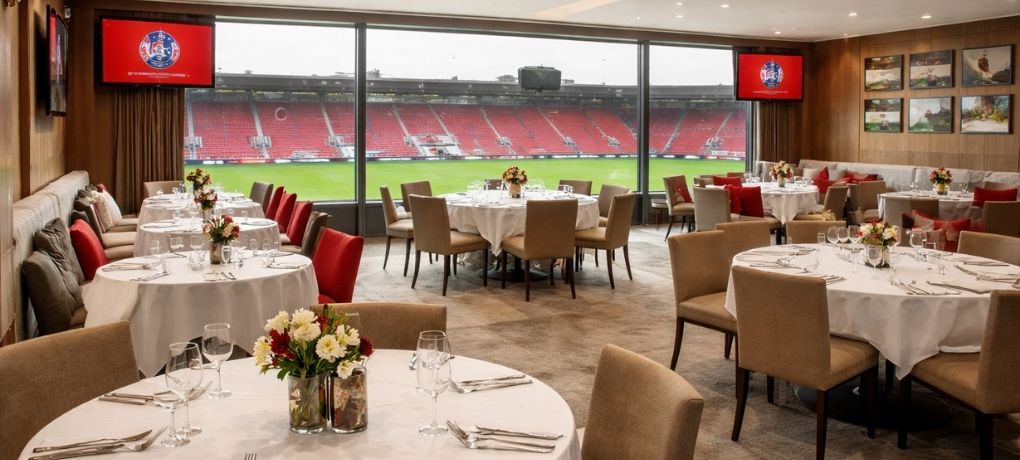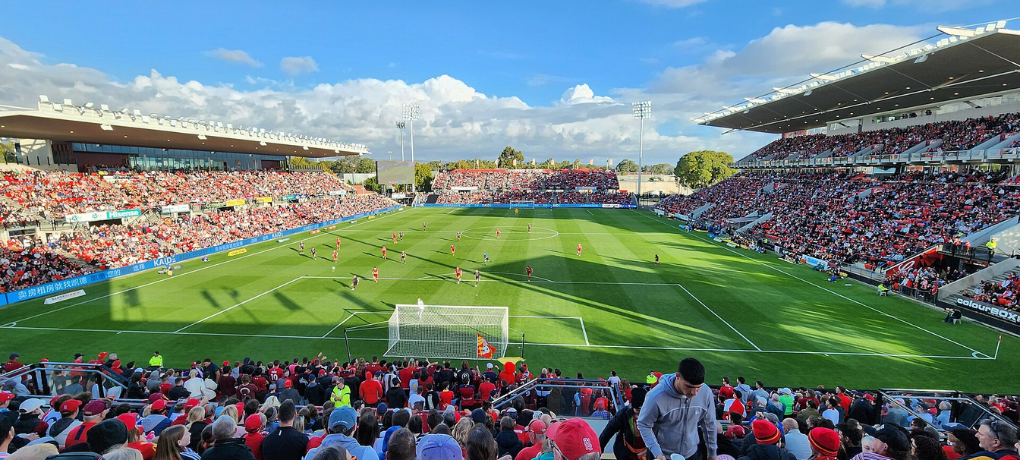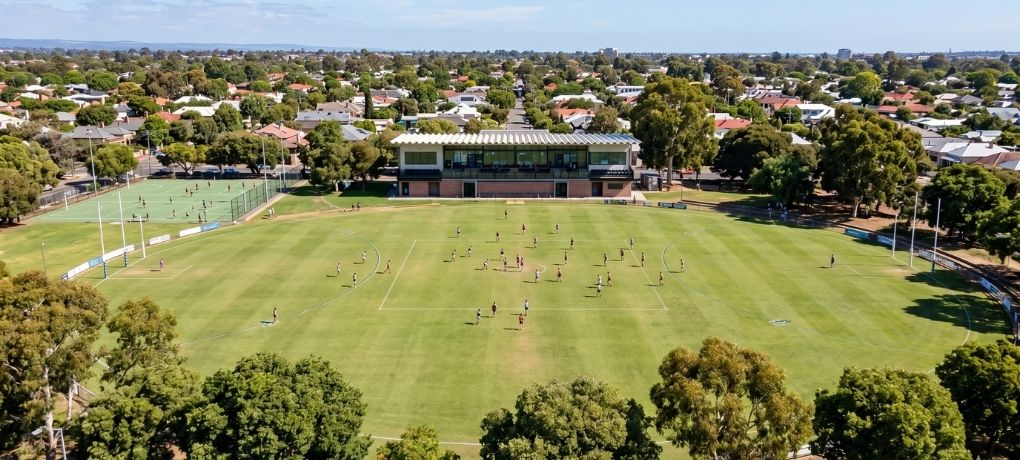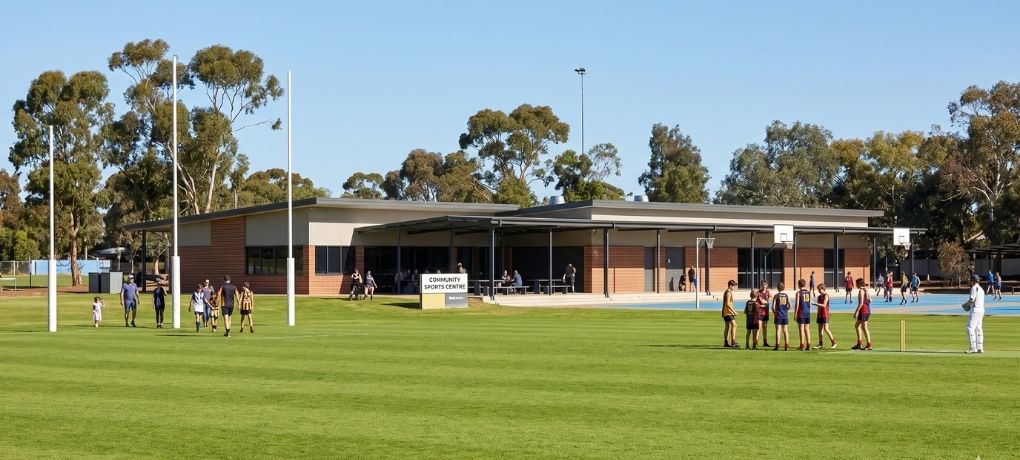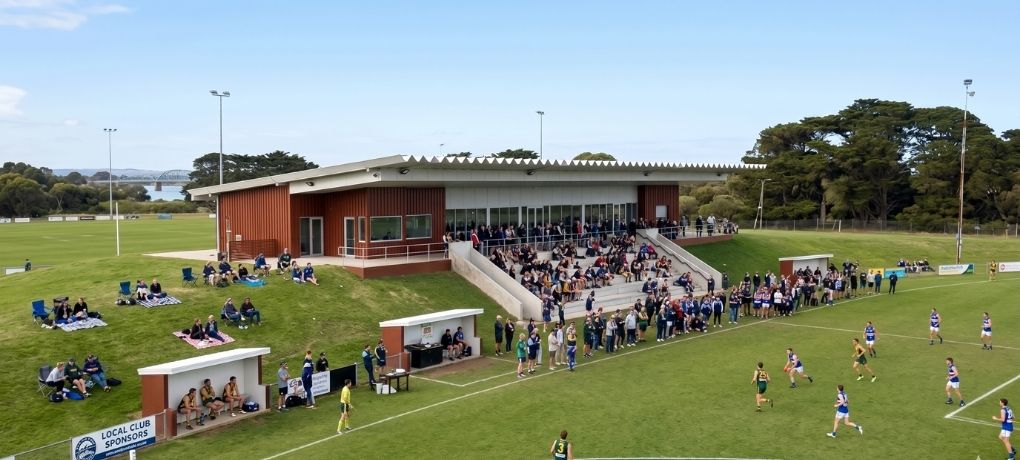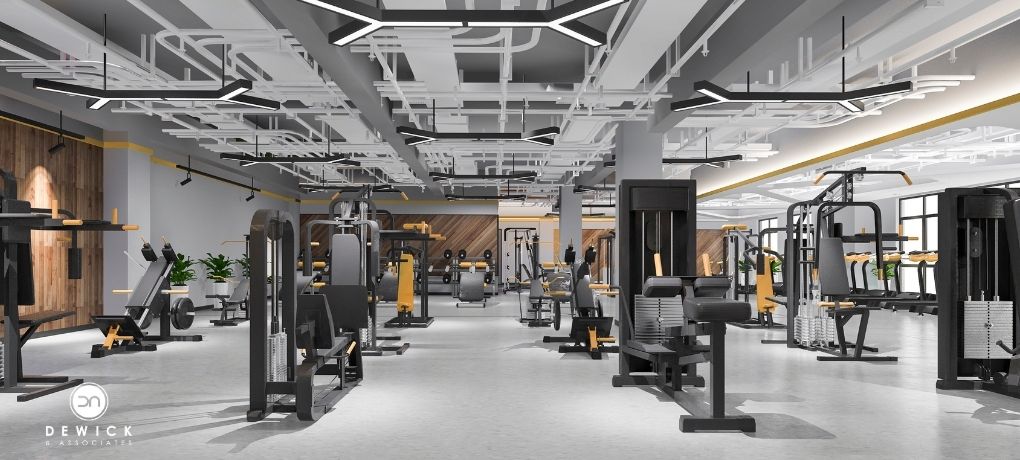
Supporting Recreation and Sport Facilities with Structured Technical Documentation.

Recreation and sport facilities are dynamic, high-traffic environments that must operate safely, efficiently, and reliably for athletes, staff, spectators, and the wider community. From aquatic centres, stadiums, and indoor sporting complexes through to community recreation hubs, fitness facilities, and elite training environments, these projects involve complex building systems that require clear and well-coordinated documentation at handover.

Effective technical documentation plays an important role in supporting the long-term operation of these facilities. Accurate O&M manuals and asset information assist operators and facilities teams in managing compliance obligations, maintaining essential systems, and ensuring venues remain safe, functional, and ready for continuous public use.

Dewick & Associates partners with builders, contractors, consultants, and project teams to deliver structured, compliant technical documentation tailored to the operational demands of recreation and sport developments.

Built for
Sport & Rec.

The Green ROI: Why Accurate Documentation Saves Money and the Environment

Sustainability in construction is often discussed in terms of materials, energy efficiency and building design. But one factor that receives far less attention is the role of technical documentation in

March 30, 2026

Projects We've
Delivered.

Navigating Compliance Across Sport and Recreation Facilities.

Sport and recreation projects must navigate a complex landscape of compliance, spanning public safety, universal accessibility, and crowd management, alongside specialised standards for fire protection, aquatic operations, and building performance.

Beyond achieving regulatory approval at completion, documentation must provide a robust framework for the ongoing management of high-occupancy facilities. This ensures that safety, mechanical & electrical performance, and inclusive access are maintained throughout the building’s lifecycle, protecting all users and the long-term integrity of the asset.

In Australia, recreation and sporting facilities are classed as public assembly buildings under Volume One (Class 9b Assembly Buildings) and delivered in accordance with the National Construction Code (NCC), Australian Standards, state-based legislation, and local authority requirements. Projects often require consideration of accessibility under the Disability Discrimination Act (DDA), aquatic safety standards, emergency management systems, and specialist compliance requirements for grandstands, public assembly areas, and sports lighting infrastructure.

In Canada, recreation and sport developments are regulated by provincial adoptions of the National Building Code of Canada (NBC), which classifies arenas, community rinks, and indoor gymnasiums under strict Group A, Division 1 (Assembly occupancies with production facilities) or Division 3 (Assembly occupancies, not elsewhere classified).

Compliance documentation is heavily tailored around crowd management and extreme regional climate resilience, enforcing rigid parameters for large-span roof snow-load engineering, arena ice-plant ammonia safety compliance, and multi-zone fire separations. governed through provincial adoption of national building codes alongside local authority and public safety requirements.

In the United Kingdom, sport and leisure facilities are guided by Building Regulations, Sport England guidance, Safety of Sports Grounds Act 1975, the Green Guide (Guide to Safety at Sports Grounds), British Standards, and health and safety legislation. Key considerations include fire safety, spectator management, accessibility, ventilation performance, and operational safety for both indoor and outdoor venues.

Our experience working across these regions allows us to structure information in a practical and user-focused way, helping project teams deliver compliant documentation that supports both immediate handover requirements and ongoing facility operations.

Why Partner with
Dewick & Associates

Recreation and sport facilities require documentation that supports long-term performance, operational reliability, and efficient facilities management. from small to large scale public occupancy, specialist systems, and diverse operational requirements, clear and accurate handover information is essential to maintaining safe and functional environments.

At Dewick & Associates, we work closely with project teams to manage and coordinate technical information across all building services disciplines. Our focus is on delivering documentation that is organised, practical to use, and aligned with the real operational needs of recreation and sport venues.

Our technically trained team understands the complexity of large-scale public and sporting facilities, including aquatic systems, HVAC infrastructure, lighting controls, emergency systems, and specialist operational equipment.

Working as an extension of the project team, we apply rigorous internal quality processes to deliver structured, reliable documentation that supports seamless handover, ongoing regulatory compliance, and effective facility management long after project completion.

Specialists In Recreation And Sport Documentation.

We support recreation and sport developments with coordinated technical documentation designed for operational performance and long-term asset management.

Preparing structured O&M manuals and asset documentation for stadiums, aquatic centres, indoor sporting facilities, gyms, community recreation centres, and elite training environments.

Coordinating technical information across mechanical, electrical, hydraulic, fire, aquatic, security, and specialist sporting systems.

Assisting project teams in meeting compliance and handover obligations through accurate and well-organised technical documentation.

Structuring documentation to support facilities management teams responsible for high-use public environments.

Supporting long-term maintenance and asset performance through accessible, clearly categorised operational information.

Delivering documentation solutions tailored to facilities with complex operational requirements, continuous use, and critical infrastructure essential to daily venue operations.