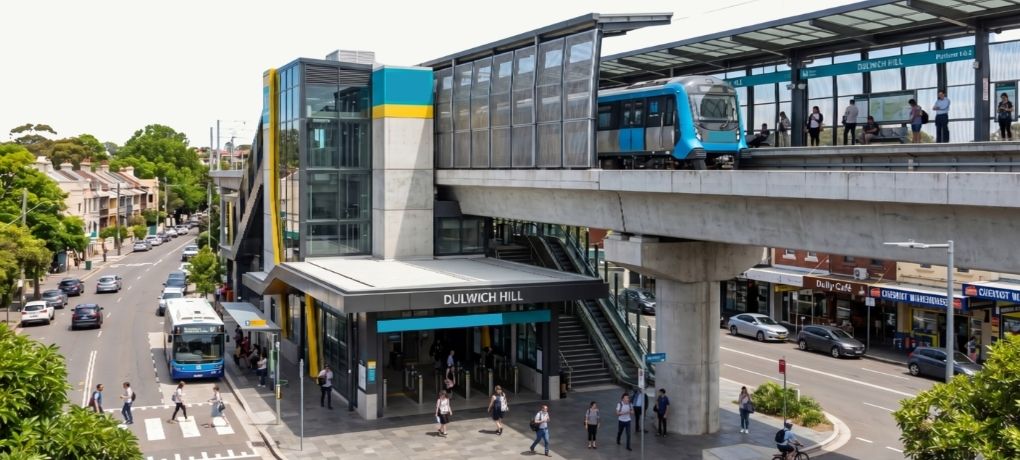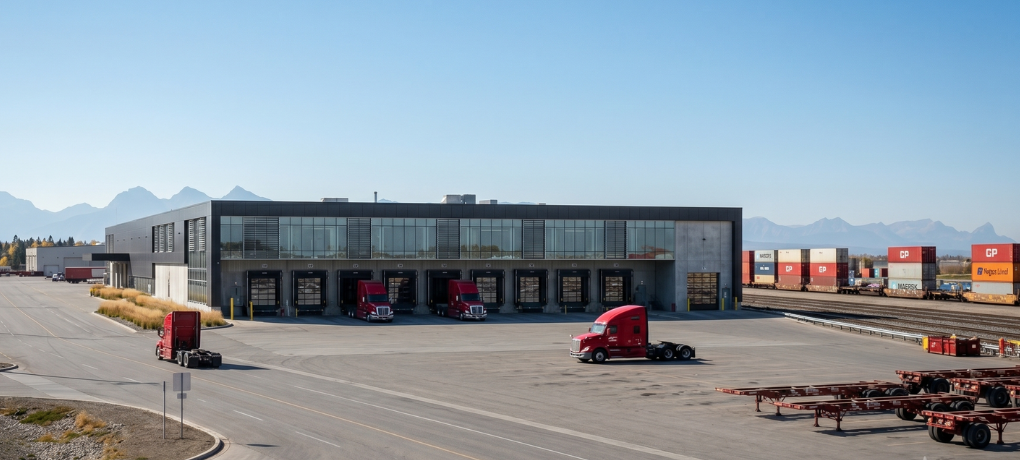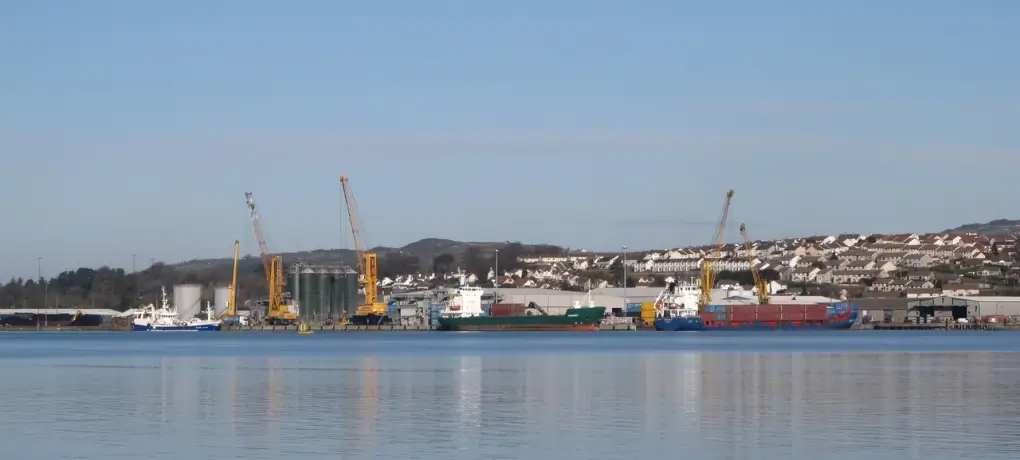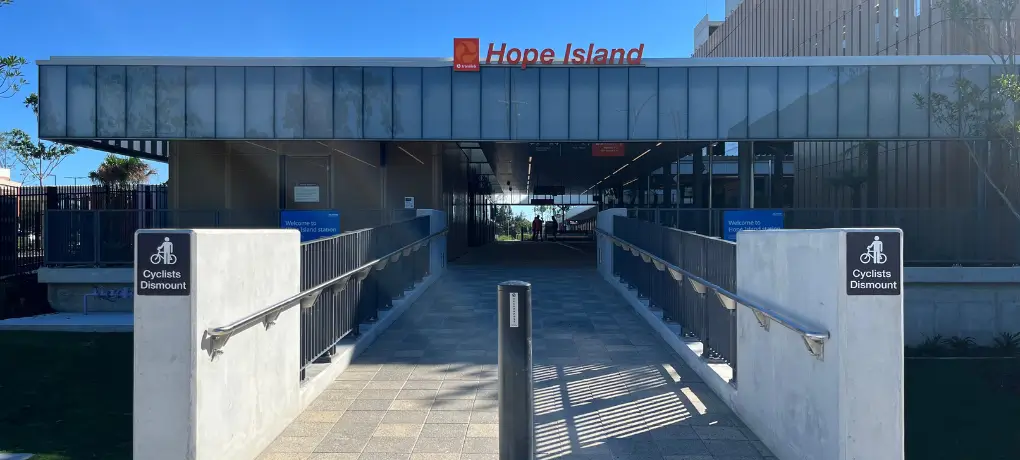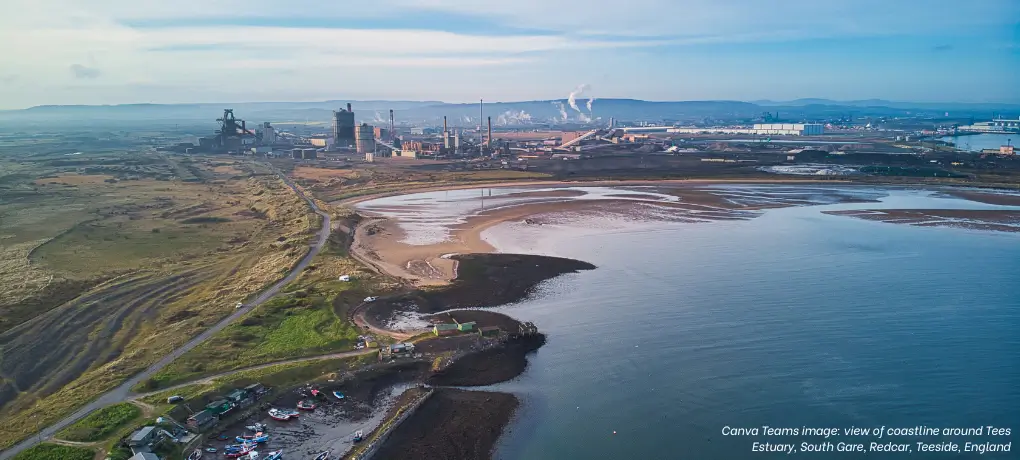
Transport infrastructure projects require highly coordinated building systems, operational integration and rigorous compliance management to support safe, efficient and reliable network performance. From rail stations and airport terminals through to tunnels, depots, ports, interchanges and integrated transport precincts, these environments involve complex infrastructure interfaces, critical operational systems and high-volume public access requirements.
The operational demands of transport infrastructure extend well beyond project completion. Operators, asset owners, transport authorities, maintenance contractors and facilities teams rely on accurate, compliant and accessible documentation to manage critical infrastructure, operational continuity, maintenance obligations, life safety systems and long-term asset performance across complex and often live operational environments.
Dewick & Associates partners with contractors, infrastructure owners, transport authorities and project stakeholders to deliver structured and compliant technical documentation tailored to the operational and regulatory requirements of transport infrastructure projects. Our team supports projects through coordinated O&M manuals, asset documentation, as-installed records and infrastructure handover information that assists with smooth transition from construction into operation and ongoing asset management.
Sustainability in construction is often discussed in terms of materials, energy efficiency and building design. But one factor that receives far less attention is the role of technical documentation in
Success in transport infrastructure projects depends on the coordination of complex operational systems, critical infrastructure and strict regulatory compliance. Transport environments must address requirements relating to fire and life safety, rail or aviation authority standards, accessibility, emergency management, operational resilience, cybersecurity and sustainability initiatives.
Documentation must effectively coordinate infrastructure including mechanical and electrical services, SCADA and BMS systems, communications networks, tunnel ventilation, signalling interfaces, security systems, vertical transport and integrated life safety infrastructure to support safe and reliable long-term operation.
Transport focused projects are shaped by complex and varied regulatory frameworks. At Dewick & Associates we understand how these requirements differ across the regions we work in, and we ensure that documentation aligns with both building compliance and sector-specific expectations.
In Australia, transport infrastructure projects are governed by the National Construction Code (NCC), Australian Standards, state transport authority requirements, rail safety legislation, aviation regulations and infrastructure operator specifications. These projects often involve strict compliance obligations relating to operational safety, emergency management, accessibility, security, environmental performance and critical asset reliability.
Detailed documentation coordination is critical to supporting compliance with:
In Canada, transport infrastructure projects are delivered under provincial transport regulations, the National Building Code of Canada (NBC), municipal authority requirements and sector-specific operational standards. Rail infrastructure, airport developments, public transit facilities and marine transport assets require careful coordination of operational systems, life safety infrastructure, accessibility obligations and long-term asset management documentation.
Key compliance considerations commonly include:
Our team combines engineering knowledge with technical writing expertise to develop practical documentation that supports commissioning, operational readiness and long-term asset management. We coordinate information across critical infrastructure systems including mechanical services, electrical networks, fire and life safety systems, communications, security, SCADA, vertical transport and operational control interfaces.
We support project teams to manage compliance obligations, streamline infrastructure handovers and improve accessibility of asset information for facilities teams, operators and maintenance personnel responsible for maintaining safe and efficient transport networks.

Preparing coordinated O&M manuals and asset documentation for rail infrastructure, airports, tunnels, transport interchanges, depots, ports and integrated transport precincts.

Managing technical information across mechanical, electrical, hydraulic, fire protection, communications, signalling, security, vertical transport and operational control systems.

Assisting contractors and infrastructure project teams in meeting complex transport compliance and handover requirements through clear, accurate and well-organised documentation.

Structuring information to support transport operators, asset managers, facilities teams and maintenance contractors responsible for critical operational infrastructure.

Supporting preventative maintenance, defect management and lifecycle asset planning with accessible documentation that improves operational efficiency and network reliability.

Coordinating documentation for integrated safety systems including emergency communications, smoke management, backup power, passenger information systems and operational resilience infrastructure.